Cybersecurity Tips

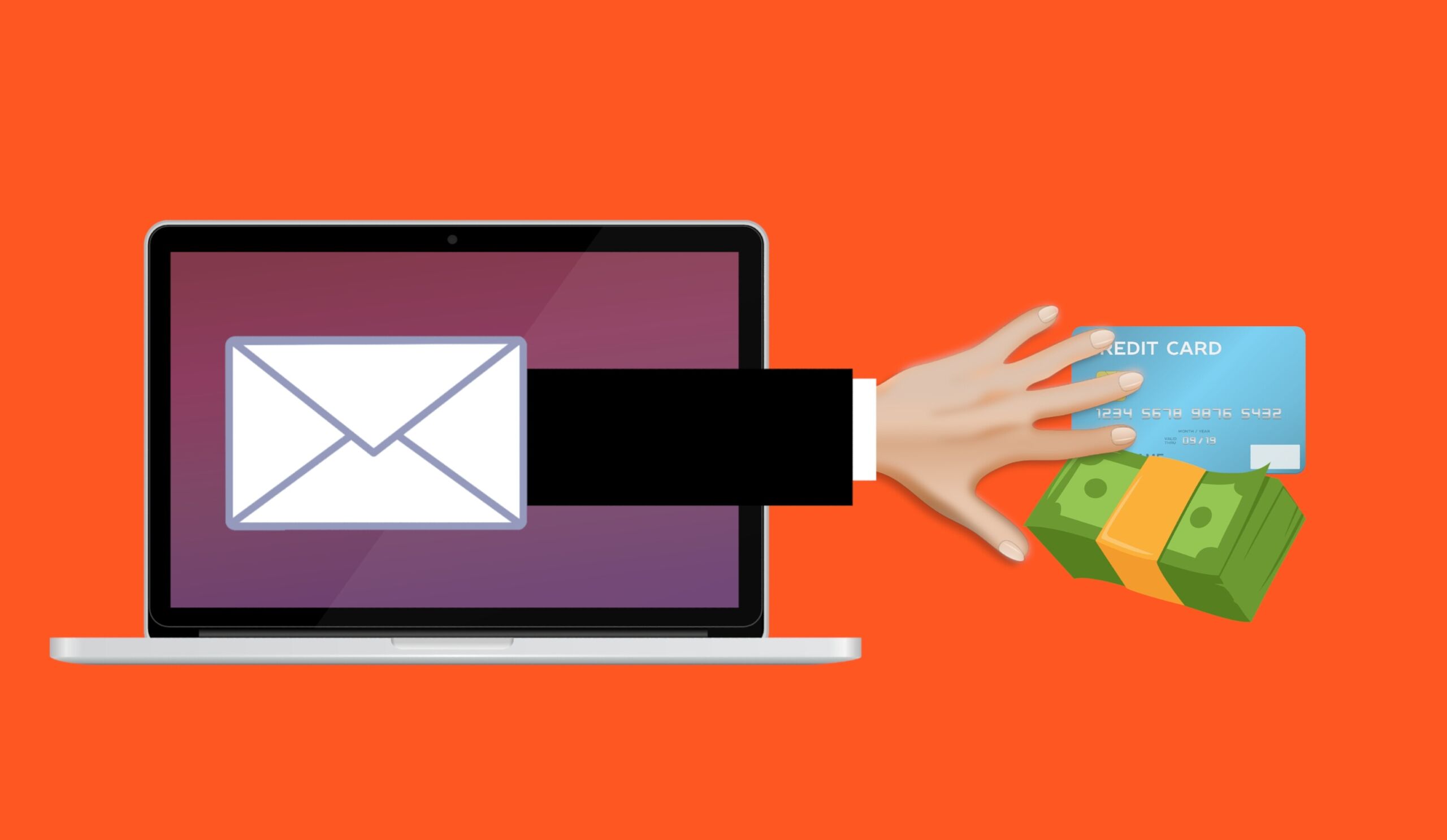
How to Stop Scammers from Sending Emails in Your Company’s Name

Article Summary: Email spoofing is when a scammer sends a message that appears to come from your domain, often to trick your clients or staff into paying a fake invoice or changing banking details. Three DNS records (SPF, DKIM, and DMARC) prove that a message really came from you and tell receiving mail servers to

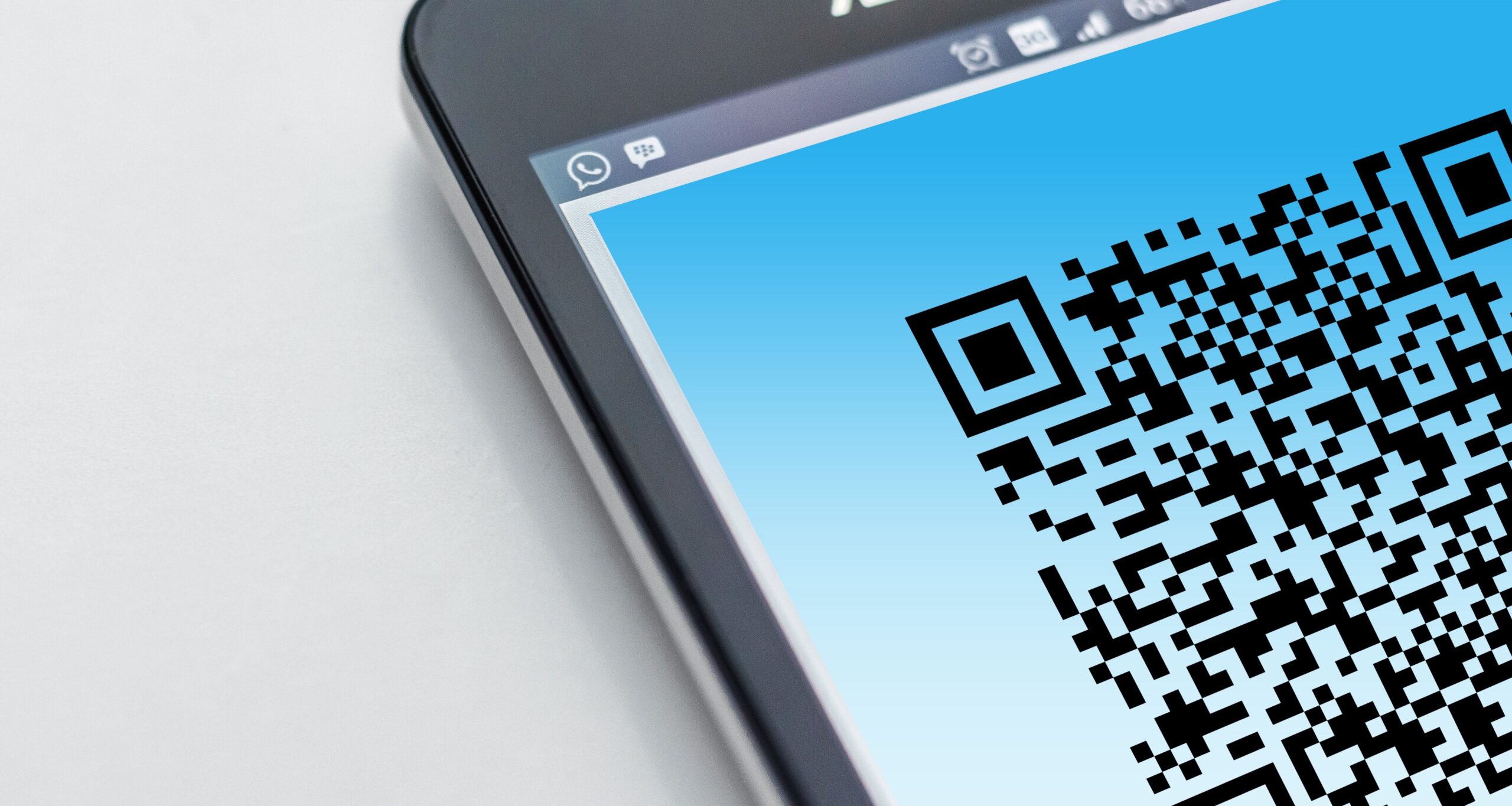
QR Code Scams: What They Are and How to Protect Your Business

Article Summary: A QR code scam, sometimes called quishing, hides a malicious web link inside a QR code. Because the link is buried in an image instead of written as text, it slips past the email filters that normally catch bad links, and scanning the code usually moves the victim onto a personal phone that

How Small Business Ransomware Attacks Work (And How to Protect Against Them)

Small businesses are the most common ransomware target by volume of incidents, even though many small business owners assume hackers focus on larger organizations. A 22-person company has enough revenue to be worth attacking, no dedicated security team to defend it, and a publicly traceable footprint that takes about an hour to research.What follows is

Why Human Habits Are Your Biggest Security Risk

Most cyberattacks do not start with a sophisticated intrusion. They start with a click on a personal email, a reused password, or a file uploaded to a familiar cloud service because the approved option felt slower.The Verizon Data Breach Investigations Report found that 68% of breaches involve the human element. Not a zero-day exploit. Not a

Adversary-in-the-Middle Attacks: How Phishing Sites Steal Your Active Login

You click a link, sign in, approve the MFA prompt, and get on with your day. Completely unaware that someone else just logged into your account at the same moment.That scenario surprises many businesses, particularly those that rely on multi-factor authentication (MFA) to protect cloud accounts. But this is exactly how Adversary-in-the-Middle (AiTM) phishing attacks

The “Session Cookie” Hijack: Why MFA Can’t Always Save You

MFA is a strong front-door lock. But it’s not the only thing that decides whether someone can get in.After you sign in, your browser keeps you logged in using a session token (often stored as a cookie). It’s the digital version of a wristband at an event: once you’ve been checked, the wristband proves you

Micro-SaaS Vetting: The 5-Minute Security Check for Browser Add-ons

Browser add-ons have a funny reputation. They feel “small”. A quick install. A tiny productivity boost. A harmless little helper that lives in your toolbar.But in practice, a browser extension is more like a micro-SaaS vendor sitting inside your browser session. It can see what you see, interact with the pages you open, and sometimes

Stop Ransomware in Its Tracks: A 5-Step Proactive Defense Plan

Ransomware isn’t a jump scare. It’s a slow build.In many cases, it begins days, or even weeks, before encryption, with something mundane, like a login that never should have succeeded.That’s why an effective ransomware defense plan is about more than deploying anti-malware. It’s about preventing unauthorized access from gaining traction.Here’s a five-step approach you can

A Small Business Roadmap for Implementing Zero-Trust Architecture

Most small businesses aren’t breached because they have no security at all. They’re breached because a single stolen password becomes a master key to everything else.That’s the flaw in the old “castle-and-moat” model. Once someone gets past the perimeter, they can often move through the environment with far fewer restrictions than they should.And today, with

Go to Top